Aligning Instant Alerts to Capture Ideal Moments in Football In-Play, Thoroughbred Racing, and Casino Play
Written by Wendy Powell · Jun 9, 2026
Aligning Instant Alerts to Capture Ideal Moments in Football In-Play, Thoroughbred Racing, and Casino Play
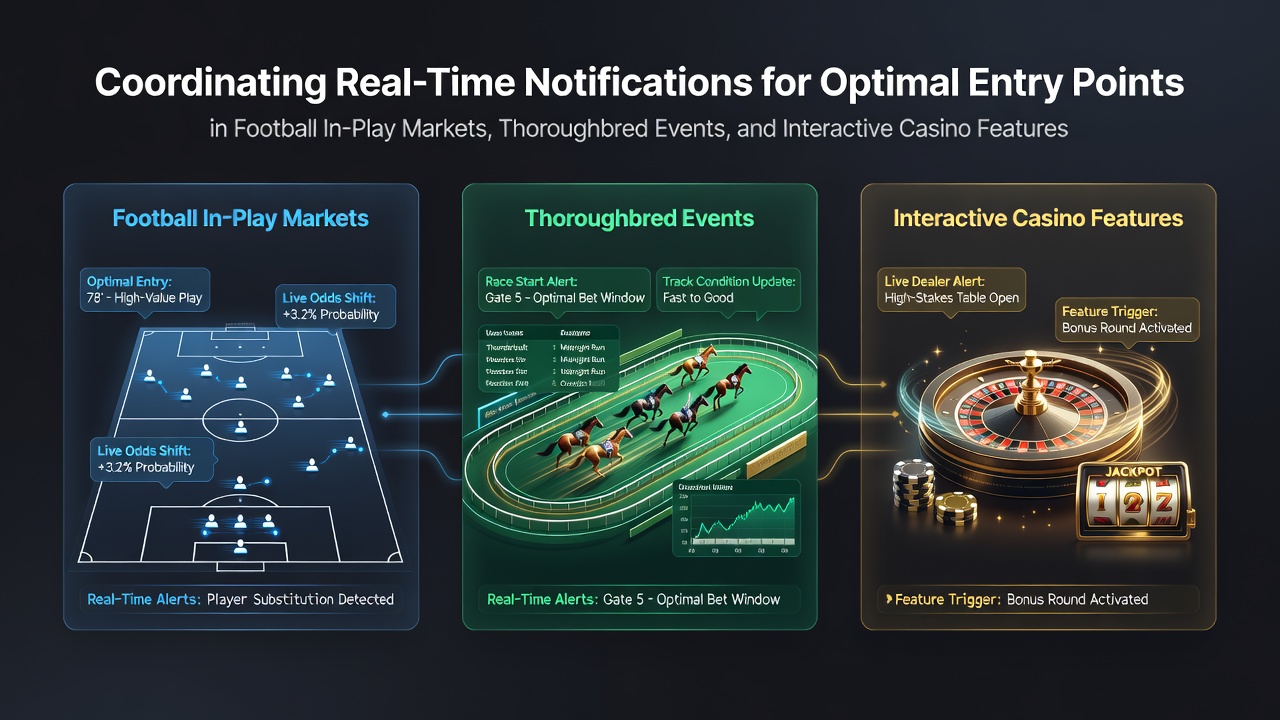
Operators coordinate real-time notifications by integrating data feeds from multiple sources into unified alert systems that flag optimal entry points across football in-play markets, thoroughbred events, and interactive casino features. These systems rely on low-latency APIs that pull live statistics, track conditions, and game states then push targeted messages to user devices within milliseconds of a qualifying trigger.
Football In-Play Notification Mechanics
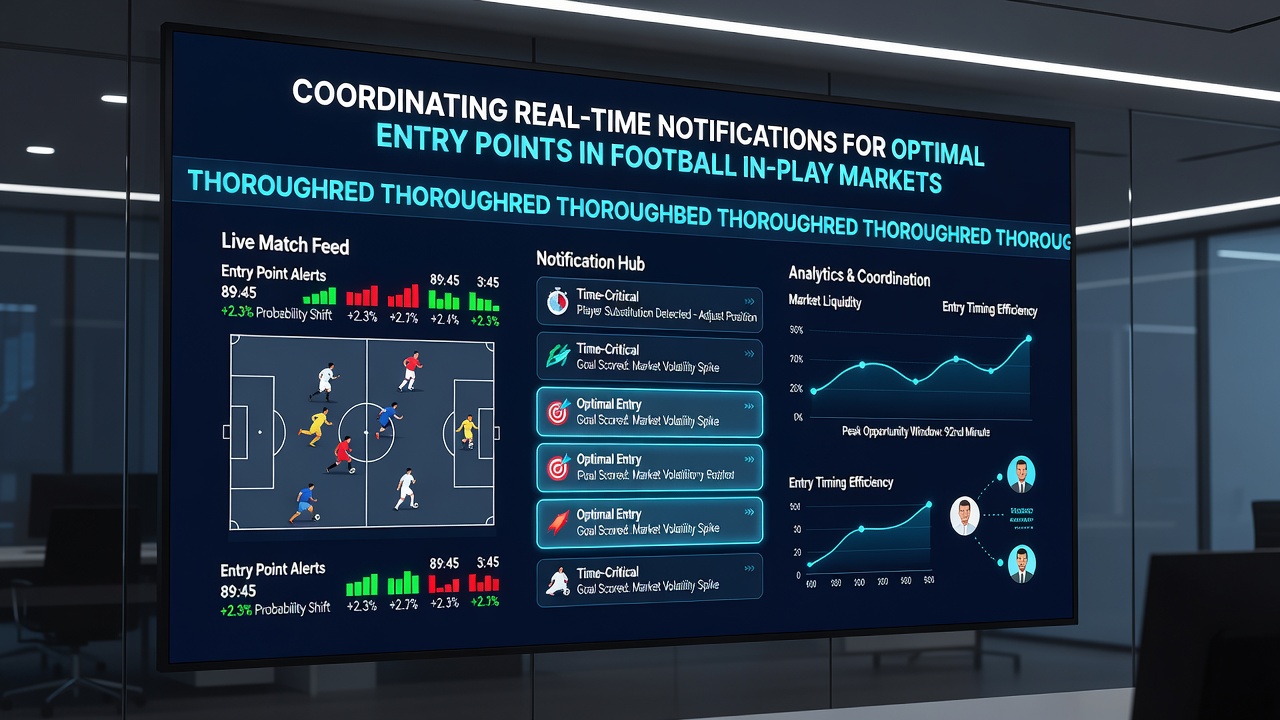
Football markets generate continuous data streams from player tracking sensors and officiating systems, which platforms convert into entry signals such as momentum shifts after a substitution or set-piece opportunity. Observers note that alerts often combine score differentials with expected goal values so users receive prompts when in-play odds cross predefined thresholds. Research from industry reports shows these coordinated pushes increase engagement rates during high-volume matches because the timing aligns with peak volatility periods.
Developers build rule engines that cross-reference multiple variables before sending a notification, which prevents alert fatigue while maintaining relevance. Those who manage large-scale operations report that football-specific modules must account for regional broadcast delays and varying match schedules across leagues to keep signals accurate.
Thoroughbred Event Alert Coordination
Thoroughbred racing platforms synchronize notifications with trackside sensors that monitor pace fractions, weather updates, and jockey changes, allowing alerts for late scratches or surface condition shifts that affect odds movement. Data indicates these systems achieve better precision when they layer historical race data with live GPS feeds from horses during the post parade. One study revealed that users respond more consistently when alerts arrive 90 to 120 seconds before post time, giving time for decision-making without rushing.
Integration challenges arise because racecards update at different intervals depending on jurisdiction, yet operators overcome this through standardized data protocols that normalize inputs from various tracks. What's interesting is how thoroughbred modules often share infrastructure with football feeds, letting a single backend handle both event types during overlapping schedules.
Interactive Casino Feature Triggers
Casino platforms apply similar coordination principles to live dealer tables and progressive jackpot meters, sending notifications when bonus rounds activate or when contribution rates push a prize pool past a target level. Figures from regulatory summaries in multiple regions reveal that real-time casino alerts achieve higher click-through when they reference both the current multiplier and the average session duration of similar players. These systems frequently borrow timing logic from sports modules, adapting volatility models originally built for in-play football to slot reel patterns and table game streaks.
Operators test notification frequency against user retention metrics, adjusting thresholds so casino prompts appear during natural lulls rather than competing with live sports alerts. This cross-category scheduling keeps overall message volume manageable while preserving opportunities for optimal entry points.
Technical Integration Across Categories
Unified notification frameworks connect the three verticals through a central orchestration layer that prioritizes alerts based on user preference profiles and current session context. Experts have observed that successful deployments use machine learning models trained on historical click data to predict which category a user is most likely to engage with at any given moment. In June 2026 several major platforms rolled out enhanced versions of these models that incorporate device-level latency measurements to further reduce delivery delays.
Security protocols require end-to-end encryption for all alert payloads, while compliance teams audit trigger logic to ensure messages do not encourage excessive play. Those who oversee multi-category operations often rely on A/B testing frameworks that isolate notification timing variables across football, racing, and casino audiences simultaneously.
Data Sources and Performance Metrics
Performance tracking draws on anonymized engagement logs that measure time between alert receipt and subsequent bet placement. Reports published by the European Gaming and Betting Association highlight average response windows of 8 to 14 seconds for coordinated multi-category alerts. Additional insights appear in academic analyses from institutions such as the University of Nevada, Las Vegas, which examined how notification density correlates with session length across different event types.
Platforms continue refining these systems by incorporating feedback loops that adjust future triggers based on actual user behavior rather than static rules. The result is a more responsive environment where alerts for football in-play markets, thoroughbred events, and casino features arrive at moments that align closely with genuine opportunities.
Conclusion
Coordinated real-time notification systems demonstrate measurable improvements in user engagement when they successfully balance timing, relevance, and volume across football, thoroughbred, and casino offerings. Continued investment in low-latency infrastructure and cross-category data sharing supports these performance gains while regulatory oversight maintains standards for responsible delivery. As platforms scale these capabilities, the focus remains on accurate trigger logic that respects both technical constraints and user experience requirements.