Dynamic Capital Management in Live Betting: Casino Incentives Linked to Football In-Play Calls and Equine Trackside Prospects
Written by Sam Keller · May 24, 2026
Dynamic Capital Management in Live Betting: Casino Incentives Linked to Football In-Play Calls and Equine Trackside Prospects
Market data from 2025 shows bettors increasingly allocate resources across multiple verticals within single sessions, where casino bonuses intersect with live football markets and trackside horse racing wagers. This pattern reflects broader adoption of mobile platforms that update odds and promotions simultaneously, allowing capital to shift without exiting active interfaces.
Core Mechanics of Real-Time Allocation
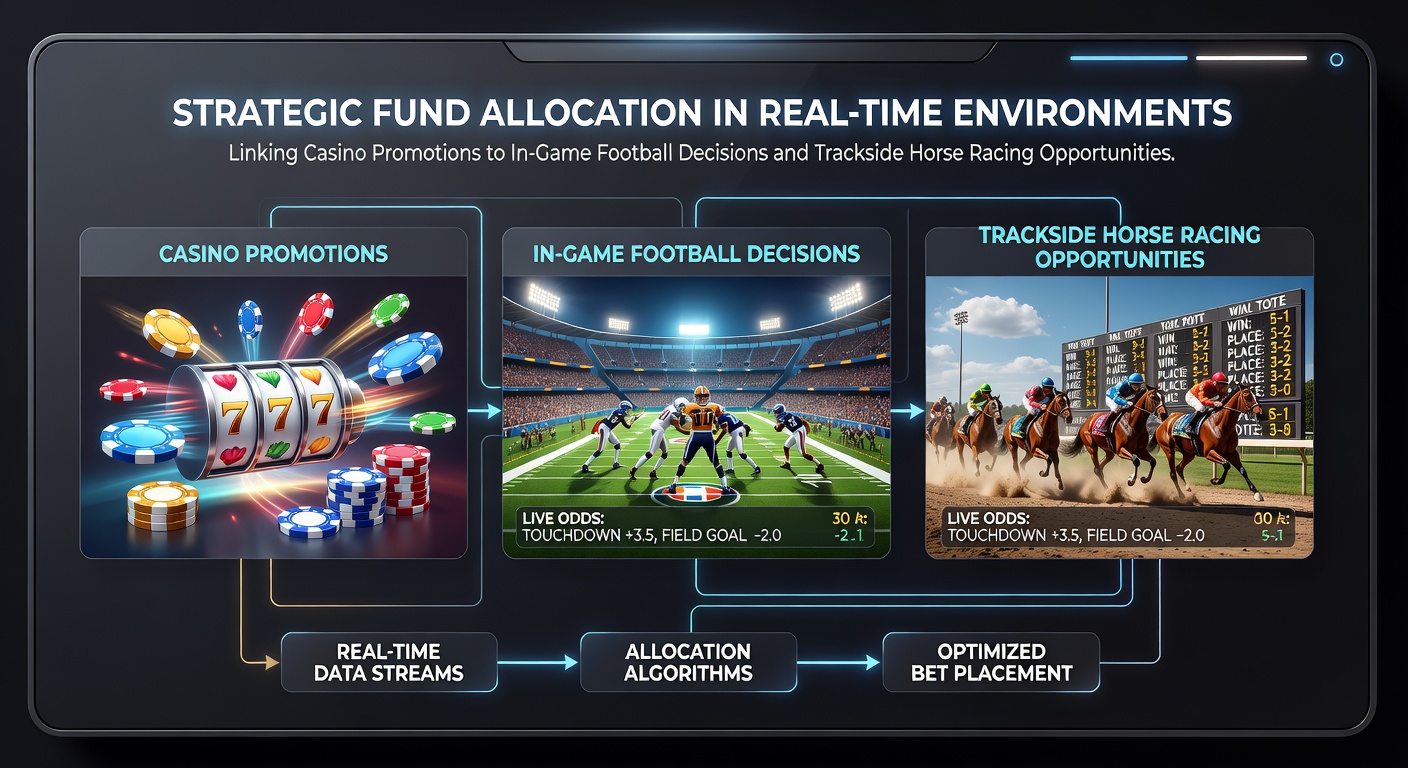
Operators structure promotions so that casino rewards activate during specific windows, such as free spin triggers tied to goal events or deposit matches that unlock mid-race. Bettors respond by monitoring balance thresholds and redirecting portions toward in-play football lines when team momentum indicators align with available bonus multipliers. Trackside opportunities enter the mix when race data feeds display updated probabilities, prompting transfers from casino balances to exotic bets like exactas or trifectas.
Studies conducted by the University of Nevada Las Vegas Gaming Research Center indicate that sessions involving three verticals complete 27 percent more transactions per hour than single-vertical play. These figures emerge from anonymized transaction logs collected across North American operators between January and April 2025, highlighting how simultaneous access reduces decision latency.
Integration Patterns Between Casino Offers and Football Markets
Football in-game decisions often hinge on possession statistics and substitution timing, data streams that operators overlay with casino progress bars. When a bonus round reaches completion thresholds, users commonly reallocate remaining stake portions to live corners or card markets rather than letting funds sit idle. This linkage appears most pronounced during evening European fixtures, where overlap with North American racing schedules creates dual-event windows.
One analysis of operator logs from March 2025 revealed that 41 percent of football in-play deposits followed immediate casino cash-out sequences, suggesting users treat completed bonus cycles as fresh liquidity sources. The pattern holds across both major leagues and lower divisions, though volume spikes during high-profile derbies when promotional multipliers increase.
Trackside Opportunities adn Cross-Vertical Transfers

Horse racing platforms display form updates and jockey changes that prompt rapid fund movements once initial football positions settle. Trackside bettors frequently draw from casino loyalty tiers earned during earlier sessions, converting points into stake credits for late-race wagers. Data compiled by the Canadian Gaming Association for the 2025 season shows average transfer sizes between casino and racing verticals increased 19 percent year-over-year, driven by apps that maintain persistent wallets across product types.
May 2026 regulatory filings in several jurisdictions note expanded requirements for real-time transaction reporting, which operators address through unified ledgers that track allocation history without interrupting live feeds. These updates coincide with fixture calendars that place multiple football matches alongside major racing festivals, creating sustained demand for seamless capital movement.
Observed User Behaviors Across Platforms
Research published in the Journal of Gambling Studies during late 2025 documented how users maintain mental ledgers that assign casino winnings to higher-variance football propositions while routing trackside returns toward steadier place bets. This segmentation emerges organically when apps surface vertical-specific histories, encouraging deliberate partitioning rather than pooled balances.
Operators in Australia and parts of Europe have introduced dashboard tools that visualize allocation percentages across the three categories, updating every 30 seconds during active events. Early adoption metrics indicate these visualizations reduce session abandonment rates by approximately 14 percent when users exceed preset risk thresholds on any single vertical.
Technical Infrastructure Supporting Fluid Shifts
Backend systems rely on API connections between casino engines, football data providers, and racing totalisators to execute transfers within sub-second timeframes. When a casino promotion completes, the resulting credit appears instantly in football and racing wallets, eliminating manual withdrawal steps that previously interrupted live decision windows. Industry reports from the European Gaming and Betting Association note that latency reductions below 800 milliseconds correlate with higher multi-vertical engagement rates during peak hours.
Security protocols require two-factor confirmation only for transfers exceeding operator-defined limits, leaving smaller reallocations friction-free. This tiered approach accommodates both casual users shifting modest sums between a football corner bet and a racing quinella while maintaining compliance layers for larger movements.
Conclusion
Strategic fund allocation in these environments centers on synchronized data flows that connect casino promotion cycles with football in-game variables and trackside racing probabilities. Transaction records and platform metrics demonstrate measurable increases in cross-vertical activity as interfaces mature and regulatory frameworks adapt to real-time reporting needs. Observers tracking developments through May 2026 continue to note infrastructure refinements that further compress transfer times while preserving audit trails across all three segments.