Integrating Live Analytics Streams Across Soccer, Equine Events, and Casino Features in Betting Platforms
Written by Sam Keller · Aug 4, 2026
Integrating Live Analytics Streams Across Soccer, Equine Events, and Casino Features in Betting Platforms
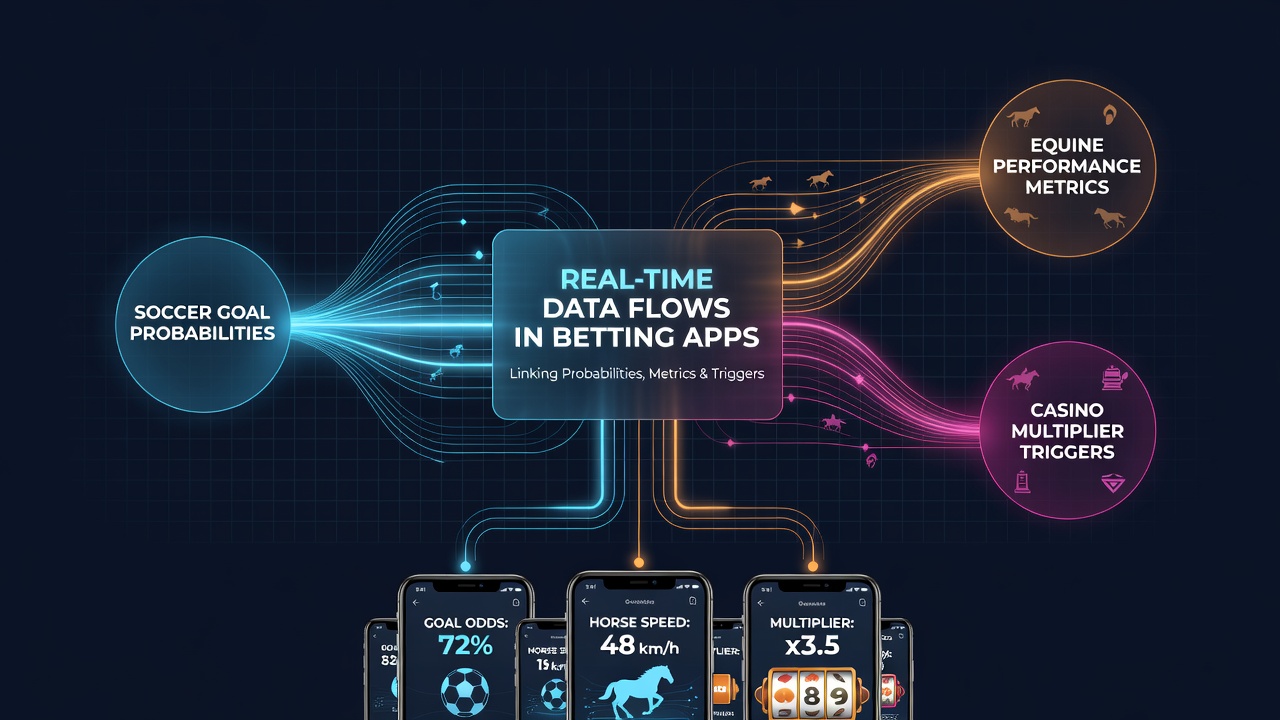
Modern betting applications process continuous streams of information that connect goal probability models from soccer matches with performance indicators from horse racing and multiplier activation sequences in casino games, and these integrations rely on structured data pipelines that update in milliseconds. Developers build mapping layers that translate event triggers from one category into adjustments for odds or bonuses in others, while maintaining compliance with regional standards that evolved through 2025 and into August 2026. Observers note that such architectures allow platforms to synchronize live soccer data feeds with equine timing metrics and casino reel outcomes so that a single user session can reflect changes across all three domains without separate logins or manual refreshes.
Data Sources Feeding the Mapping Layers
Soccer goal probabilities draw from optical tracking systems installed at stadiums, player positioning sensors, and historical shot conversion rates that algorithms refine during each match, and these inputs combine with real-time variables such as weather conditions and substitution patterns. Equine performance metrics arrive through RFID tags on saddles, GPS collars on horses, and track surface sensors that record stride lengths and acceleration bursts at each furlong, while casino multiplier triggers originate from random number generators certified by testing laboratories and linked to progressive jackpot pools. Research from the University of Nevada, Las Vegas Center for Gaming Research indicates that platforms map these disparate feeds into unified event buses so that a late goal in a premier league fixture can shift implied probabilities that influence both upcoming race odds and available casino spin multipliers during the same user session.
Technical Architecture Behind the Connections
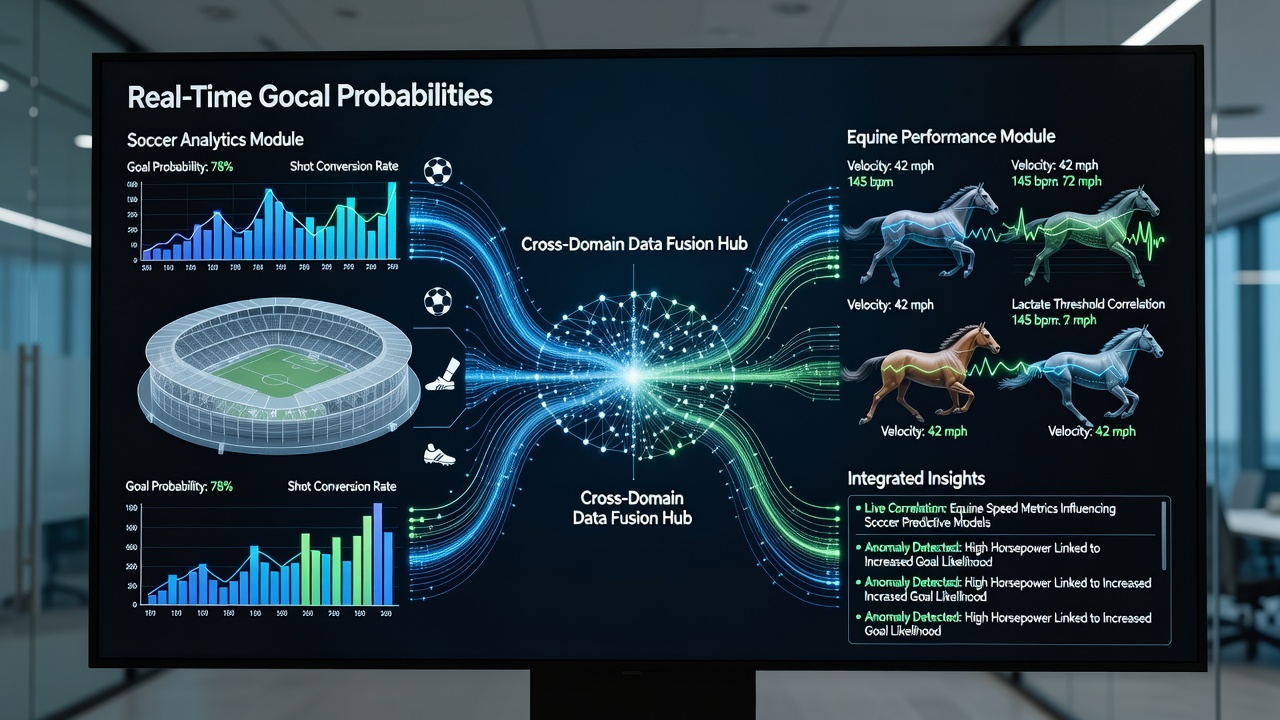
Application programming interfaces pull structured data packets at sub-second intervals, and middleware layers apply transformation rules that convert raw event codes into probability adjustments or bonus activations across categories. A goal probability spike in soccer, for example, might trigger an elevated multiplier window in a linked casino slot if the platform's mapping logic detects correlated user engagement patterns from prior sessions, and similar rules connect strong equine performance readings at the final bend with adjusted soccer in-play markets. Engineers implement event-driven architectures using message queues that ensure ordered delivery even when network latency varies, and these systems log every mapping decision for audit trails required by regulators in multiple jurisdictions. Data shows that such pipelines handle thousands of concurrent events during peak evening hours without introducing noticeable delays for end users.
Regulatory Context and August 2026 Developments
By August 2026 several oversight bodies outside the United Kingdom had updated technical requirements for cross-category data mapping, including the Nevada Gaming Control Board and the Australian Communications and Media Authority, which both emphasize transparency in how algorithms link sports events to gaming features. Industry reports from the International Association of Gaming Regulators highlight that operators must demonstrate clear separation between probability models and bonus triggers to prevent unintended correlations that could affect player decision-making. These guidelines require platforms to maintain distinct audit logs for each data stream while still permitting the unified interfaces that users expect in mobile applications.
Practical Implementation Examples
One documented case involved a European operator that linked a soccer match's expected goal differential with live horse racing pace data from an Australian track and a casino progressive that activated when both thresholds aligned within a 30-second window, and the system adjusted displayed multipliers automatically based on incoming feeds. Another implementation in North American markets used similar mapping to pause certain casino features during high-volatility soccer moments, then resumed them once equine results stabilized, thereby managing overall session risk profiles. Observers note that these examples rely on standardized data schemas such as those promoted by the World Lottery Association for interoperability between sports and gaming modules.
Security and Integrity Measures
Encryption protocols protect each data packet during transmission, and anomaly detection modules flag unusual mapping activations that might indicate feed tampering or system errors. Regular penetration testing conducted by independent firms verifies that the connections between soccer probabilities, equine metrics, and casino triggers do not create exploitable pathways, while redundant servers ensure continuity if one regional feed experiences interruption. Figures from industry monitoring services reveal that platforms investing in these layered protections report lower incident rates compared with earlier single-category systems.
Conclusion
The mapping of real-time data flows across soccer, equine, and casino elements continues to evolve as operators refine their technical stacks to meet both user expectations and regulatory demands through 2026 and beyond, and the architectures described above represent the current baseline for integrated betting environments. Continued collaboration between technology providers, academic researchers, and oversight bodies supports ongoing improvements in how these diverse information streams interact within single applications.