Mobile Trigger Networks: Bridging Football In-Play Changes to Racing Exotics and Casino Features
Written by Viktor Schmidt · Aug 23, 2026
Mobile Trigger Networks: Bridging Football In-Play Changes to Racing Exotics and Casino Features
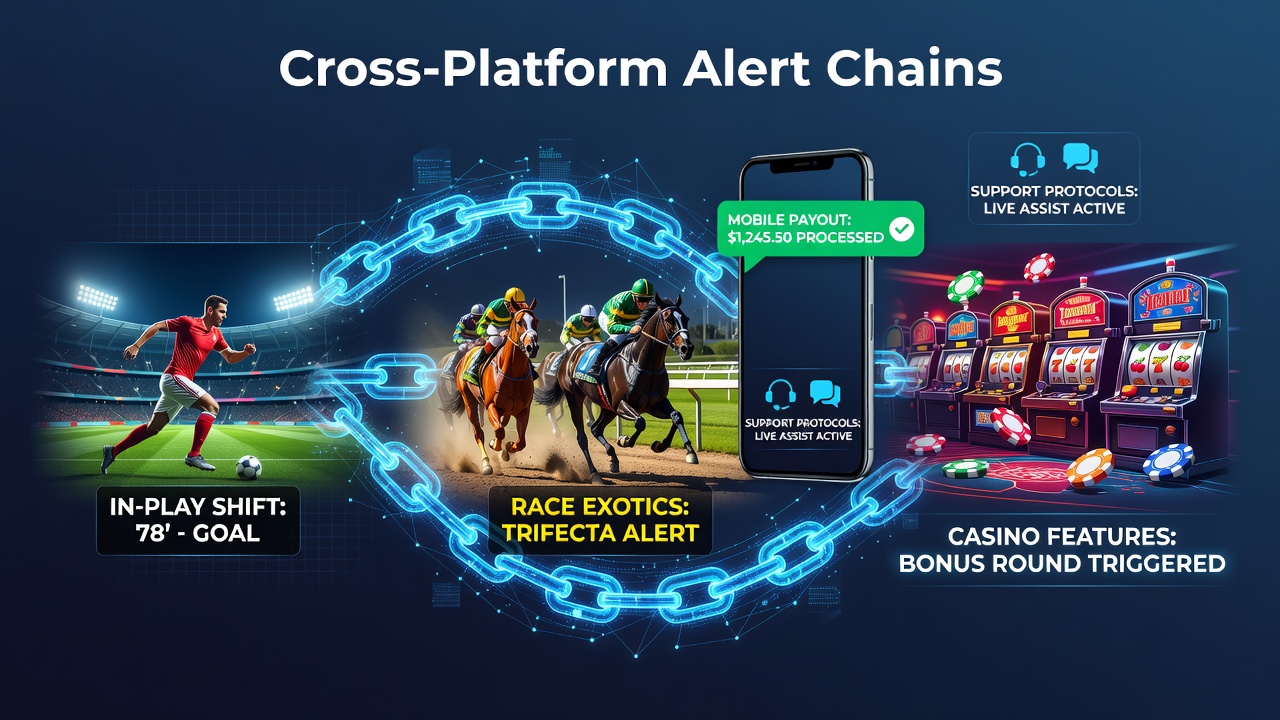
Operators have built alert chains that connect live football movements directly to exotic horse racing options and casino progressives through mobile payout systems, and these networks rely on synchronized triggers that activate when specific in-play conditions appear during matches or races. Data from industry reports shows that such connections expanded in 2025 as platforms integrated real-time feeds from multiple verticals into single user sessions.
How Alert Chains Operate Across Verticals
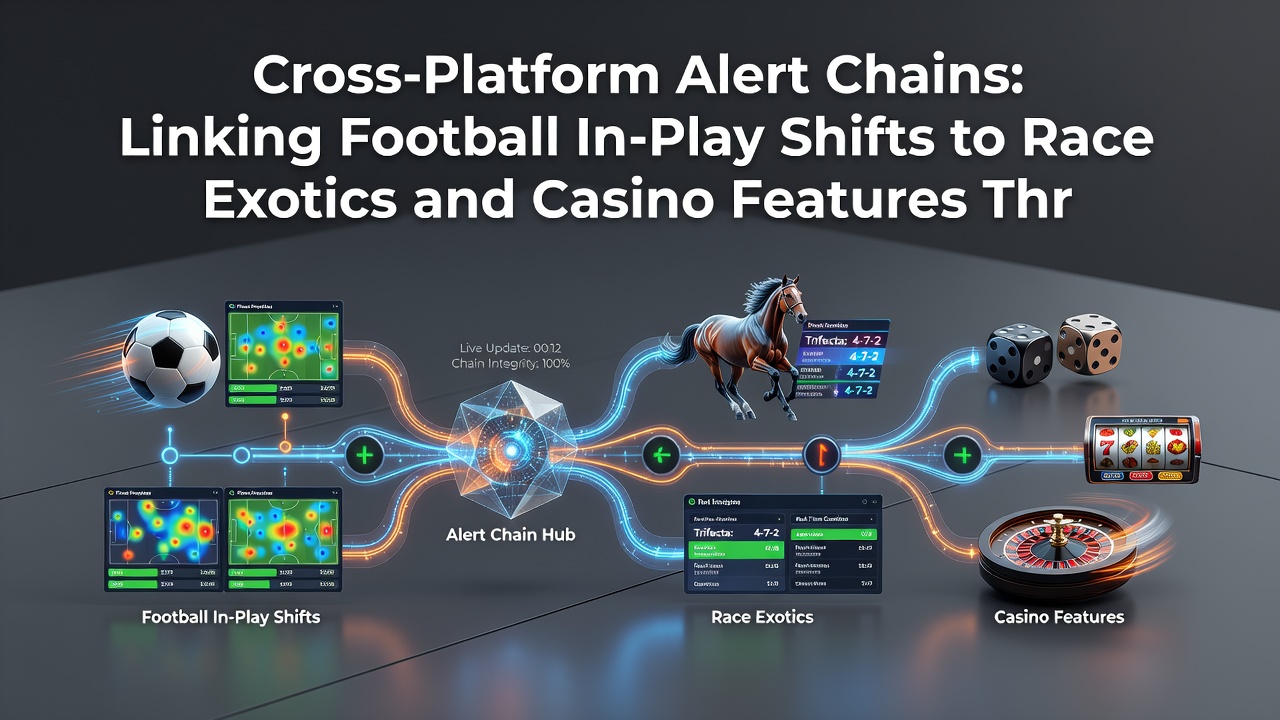
Football in-play shifts generate immediate signals when odds move on goals, corners, or cards, and these signals feed into a central system that then highlights related exotic bets on upcoming horse races while casino features like progressive jackpots receive parallel notifications. Observers note that the chain completes when a mobile payout trigger confirms the user has placed or settled a bet, which in turn unlocks support protocols for any follow-up queries across the linked markets.
By August 2026 several major platforms had rolled out updated versions of these chains, and the updates allowed simultaneous monitoring of a Premier League match alongside an evening racecard plus a casino slot session without separate logins. Research indicates that transaction volumes in multi-vertical sessions rose after these integrations because users could move from one alert to the next through a single interface rather than switching apps.
Role of Mobile Payout Triggers
Mobile payout triggers serve as the activation points that move information between football, racing, and casino environments, and they function by confirming a deposit, withdrawal, or bet settlement before the next alert in the sequence fires. Figures from platform analytics reveal that users who receive a payout confirmation on a football wager often see an immediate prompt for a related exotic on a horse race that shares similar time-sensitive characteristics.
Support protocols activate automatically once a payout trigger completes, and they provide live chat or in-app messaging that covers all three verticals without requiring the user to restart the conversation. Those who have studied user behavior patterns report that seamless handoffs reduce session drop-off rates because the same support agent can reference the football shift, the race exotic, and the casino feature in one continuous exchange.
Integration of Support Protocols
Support protocols within these alert chains include predefined scripts that reference data from football, racing, and casino markets simultaneously, and agents receive real-time dashboards showing the exact alert path the user followed. Industry organizations such as the American Gaming Association have documented how integrated support reduces average resolution time when queries span multiple product types.
One case examined by researchers at the University of Nevada, Las Vegas International Gaming Institute showed that operators using unified protocols handled cross-vertical questions faster than those maintaining separate support teams for each vertical. The study highlighted that payout confirmations served as natural breakpoints where agents could introduce the next suggested link in the chain without disrupting the user experience.
Data Flow and Technical Connections
Technical connections rely on API handshakes between football data providers, racing totalisator systems, and casino game servers, and these handshakes pass alert parameters such as event timing, odds movement thresholds, and user preference flags. When a football in-play shift meets a predefined condition the racing exotic module receives the corresponding parameters while the casino feature engine adjusts jackpot visibility for that same user session.
Platforms began testing these full chains in late 2024, and by mid-2026 the majority of larger operators had deployed them across both iOS and Android applications. External data from regulatory filings in multiple jurisdictions indicates steady growth in cross-product session lengths once the alert infrastructure stabilized.
Conclusion
Cross-platform alert chains continue to evolve as operators refine the timing between football in-play signals, racing exotic suggestions, and casino feature displays, and the mobile payout triggers remain the central mechanism that keeps the sequence intact. Support protocols built around these triggers provide consistent assistance across all linked markets, and ongoing technical updates ensure the connections stay responsive as new data feeds become available.