Seamless Integration of Alert Systems Across Betting Ecosystems for Optimized Casino, Football, and Racing Opportunities
Written by Wendy Powell · Aug 18, 2026
Seamless Integration of Alert Systems Across Betting Ecosystems for Optimized Casino, Football, and Racing Opportunities
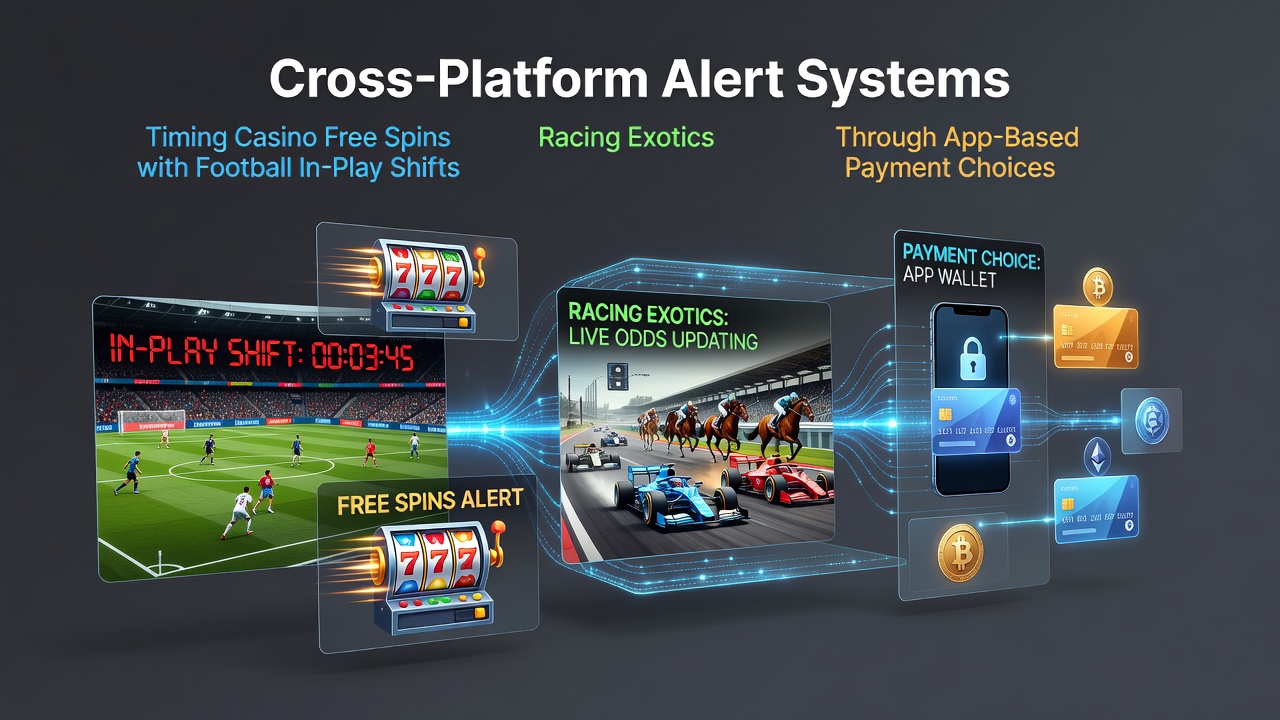
Modern betting applications now combine notification engines with real-time data feeds to coordinate casino incentives alongside in-play football markets and exotic racing wagers, while users complete transactions through integrated payment modules that reduce processing delays. Developers have built these frameworks to scan multiple verticals at once, triggering alerts when free spin eligibility coincides with shifting football odds or when racing exotics become available at favorable prices, and the same interfaces allow immediate deposits or withdrawals without leaving the active session.
Core Components of Cross-Platform Alert Architecture
Alert systems rely on centralized data aggregators that pull live feeds from sportsbooks, racing tracks, and casino servers, then apply rule-based triggers to decide when a notification should reach the user device. These triggers factor in variables such as goal timing in football matches, pace changes on the track, or progressive jackpot thresholds in casino games, and they route the resulting message through push channels that users can customize by preference. Payment modules sit alongside the alert layer, enabling instant funding of the relevant betting account once an opportunity appears, so the transition from notification to wager stays within a few seconds rather than minutes.
Timing Casino Free Spins with Football In-Play Movements
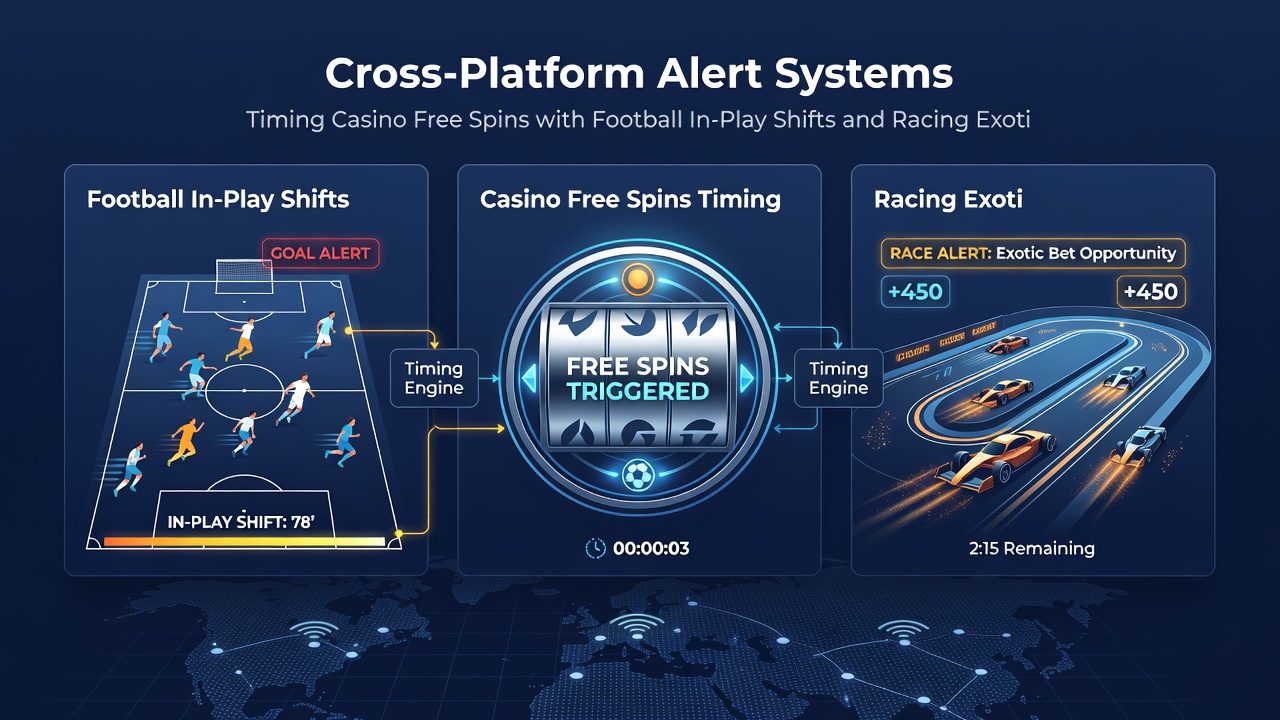
Operators have configured alerts to activate free spin credits during natural pauses in football matches, such as half-time intervals or injury stoppages, when engagement metrics often dip yet players remain logged in. The system cross-references live match data with casino bonus inventories, then pushes a message that lists available spins and the exact stake ranges that qualify, while the embedded payment option lets users top up their casino balance directly from the same screen. Observers note that platforms updated these coordination rules ahead of the 2026 season, allowing alerts to reference both pre-match and in-play statistics so users receive prompts tied to specific scorelines or player substitutions.
Linking Racing Exotics Through the Same Notification Layer
Racing operators feed exotic bet pools, including trifectas and first-four combinations, into the same alert engine that handles football and casino triggers. When tote dividends move beyond preset thresholds or when late scratchings alter field dynamics, the system generates a targeted message that lists the updated exotic prices alongside any casino free spin offers that remain active. Users who have enabled multi-vertical alerts receive these combined updates on a single card, and the payment rail supports instant transfer from a linked bank account or digital wallet so the exotic ticket can be placed before the next race jump.
Payment Flow Integration and Settlement Speed
App-based payment choices sit at the center of the workflow, because any alert loses value if funding cannot occur before the window closes. Most platforms now embed instant bank transfers, e-wallet top-ups, and card authorizations that settle in under ten seconds, and these rails connect directly to the alert response button so users bypass separate cashier pages. Data from the American Gaming Association shows that operators using unified payment and notification stacks recorded higher session retention during live events in early 2026 compared with fragmented systems. A separate report issued by the Canadian Gaming Association indicates similar patterns across North American markets where real-time funding reduced abandoned bets by measurable margins.
August 2026 Platform Updates adn Regulatory Context
By August 2026 several major providers had rolled out enhanced alert personalization that lets users set thresholds for football goal timing, racing exotic payout ranges, and casino spin volume in one dashboard. These updates also introduced compliance flags that pause alerts when account balance or play limits approach regulatory ceilings, yet they maintain seamless payment routing once the user confirms the action. The changes align with broader industry efforts to keep notifications accurate and non-intrusive while preserving the speed required for in-play decisions.
Conclusion
Cross-platform alert systems have evolved into coordinated engines that synchronize casino free spins, football in-play shifts, and racing exotics through unified payment pathways, delivering timely information and immediate transaction capability within a single mobile experience. The architecture continues to incorporate live data feeds and rule-based triggers that adapt to seasonal schedules, while payment integration shortens the interval between alert receipt and wager placement. As platforms refine these connections, users encounter fewer barriers when moving across verticals during active events.