Strategic Synchronization of Instant Payments and Mobile Notifications Across Football Markets, Racing Exotics, and Casino Progressives
Written by Sam Keller · Jun 2, 2026
Strategic Synchronization of Instant Payments and Mobile Notifications Across Football Markets, Racing Exotics, and Casino Progressives
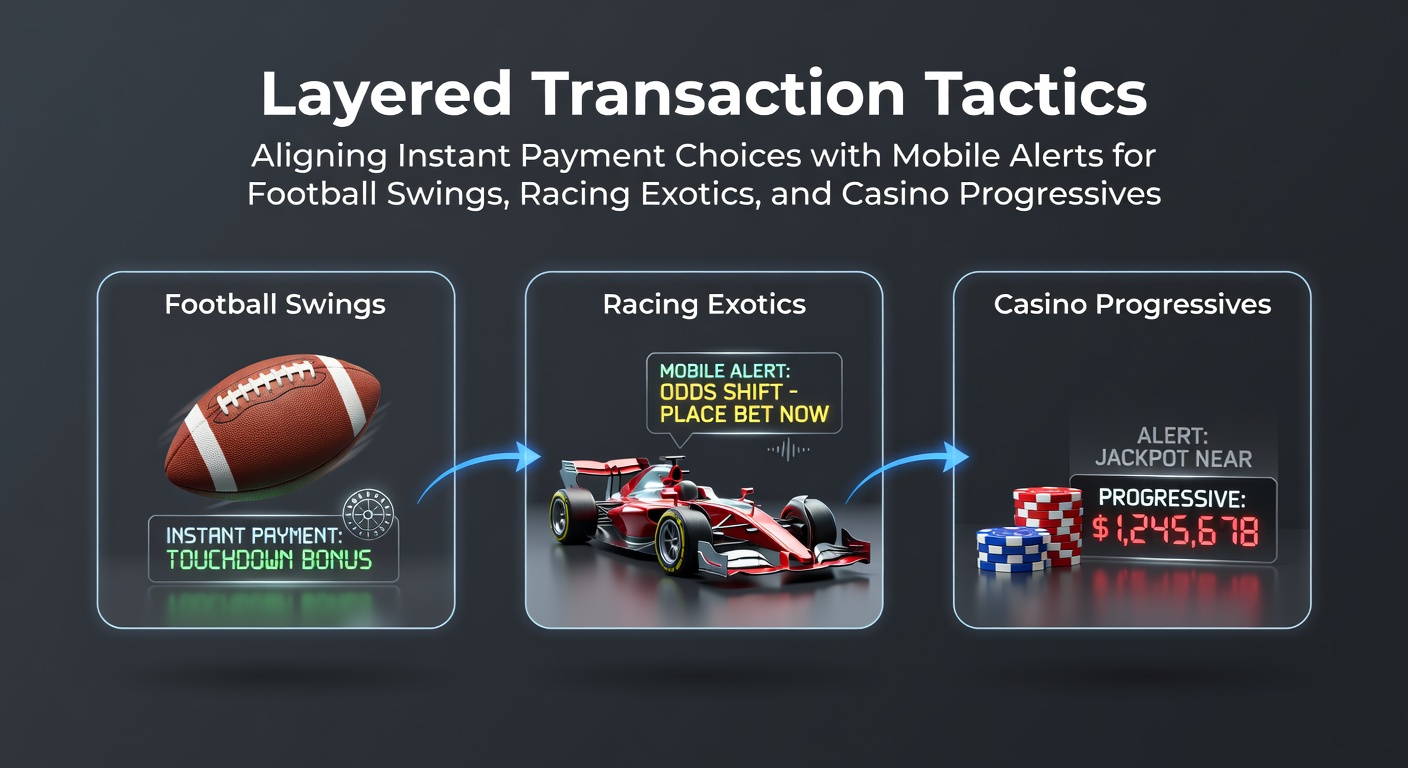
Platforms have developed layered transaction tactics that connect instant payment selections directly to mobile alert systems, allowing users to respond to football swings, racing exotics, and casino progressives without delays in fund movement or notification delivery. Data from transaction monitoring services shows that these alignments reduce processing intervals by coordinating e-wallet choices with push-based triggers, while users maintain control over deposit and withdrawal sequences during live events.
Core Components of Payment and Alert Integration
Instant payment methods such as digital wallets and bank transfer services integrate with notification frameworks through API connections that trigger alerts based on account activity thresholds. Observers note that when a football in-play opportunity arises, the system can flag a pre-selected payment option, enabling immediate funding without separate app navigation. This setup extends to racing exotics where multi-leg bets require sequenced payments, and alerts prompt confirmation at each stage while casino progressives use similar linkages to notify users of jackpot thresholds that align with deposit windows.
Studies from the Victorian Responsible Gambling Foundation indicate that synchronized systems appear in multiple jurisdictions, with transaction logs revealing higher completion rates when alerts include payment previews. Users select from tiered options like instant e-wallets for rapid swings or scheduled bank methods for larger progressive contributions, and the mobile layer ensures these choices surface at the moment of opportunity rather than after manual checks.
Application in Football Swing Scenarios
Football markets generate frequent price movements that benefit from payment-alert pairings because odds can shift within seconds of in-game events. Systems route notifications that embed transaction buttons, allowing selection of an instant method to cover an adjusted stake while the alert remains active. Figures from industry transaction reports show that such pairings handle volume spikes during major tournaments by pre-authorizing wallet limits, which then activate upon alert receipt without requiring additional verification steps.
Those monitoring platform updates note that June 2026 saw expanded testing of these features across European operators, where alert templates began incorporating real-time balance projections tied to chosen payment rails. This development supports layered approaches because a user can maintain multiple payment profiles, switching between them based on alert context such as high-volatility matches versus steady accumulation plays.
Handling Racing Exotics Through Coordinated Systems
Racing exotic bets often involve combination wagers that span several races, creating a need for payment structures that support incremental funding as races progress. Mobile alerts in these environments deliver updates on runner status alongside payment prompts, so users can adjust exotic components using pre-linked instant options. Research from the Australian Gambling Research Centre reveals that integration of this type correlates with reduced abandoned bets, as alerts carry transaction details that match the timing of exotic leg resolutions.
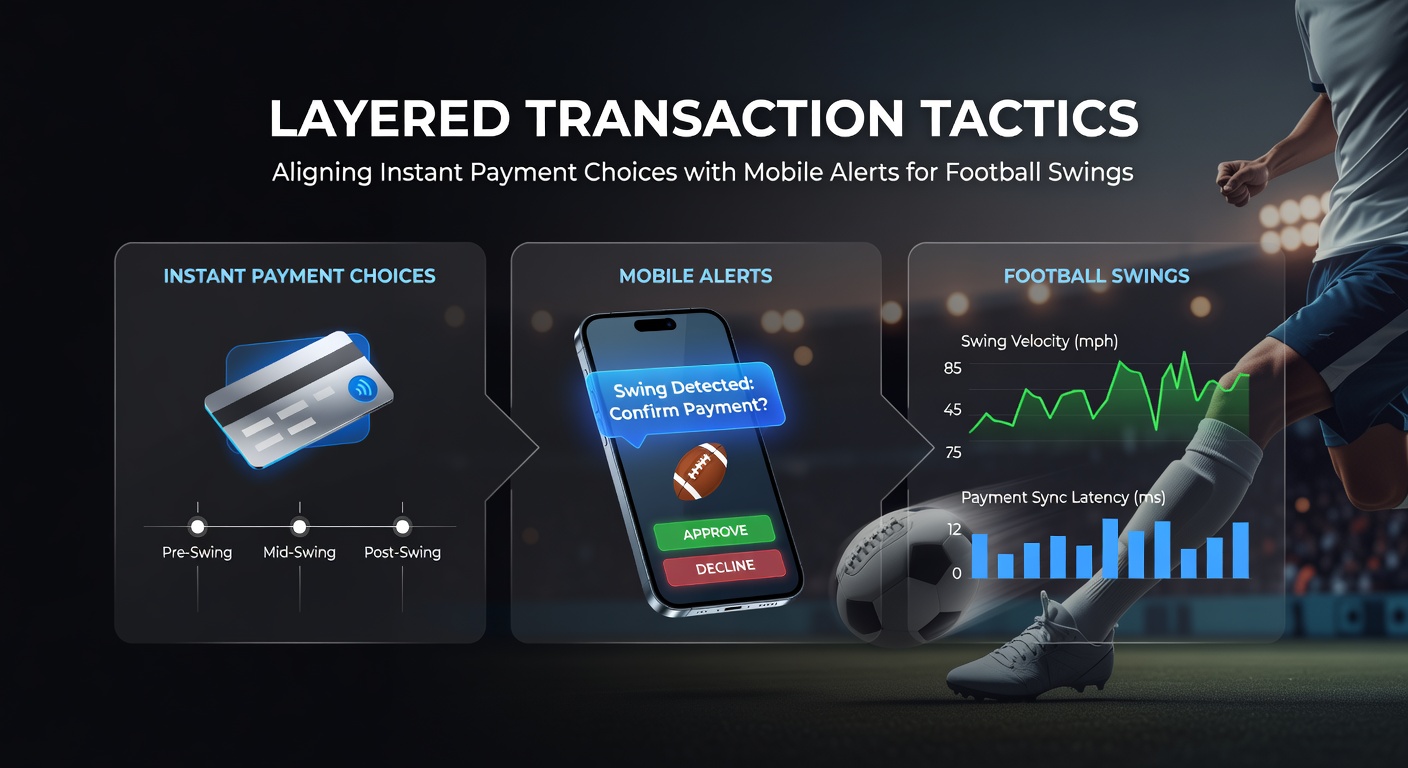
Payment choices here typically layer between fast digital methods for last-minute exotic additions and slower options reserved for confirmed legs. Alerts function as connectors by presenting available rails in priority order based on previous user selections, ensuring the system adapts to the pace of racing schedules without forcing repeated authentication.
Casino Progressives and Alert-Driven Transactions
Progressive jackpot environments rely on accumulating contributions that align with alert timing to maximize participation windows. Platforms configure notifications to activate when progressive meters reach levels that correspond with user-set payment parameters, prompting an instant deposit if the chosen method supports immediate crediting. Transaction data indicates that these alignments maintain continuity across sessions because the alert carries forward any pre-approved limits, allowing seamless movement from football or racing activity into casino play.
Layered tactics become evident when users maintain separate profiles for each vertical, with alerts routing through a central notification hub that respects the distinct payment preferences assigned to progressives. This structure avoids cross-contamination of funds while supporting rapid shifts between markets.
Technical and Regulatory Considerations
Implementation requires secure tokenization of payment credentials within the alert delivery pipeline, ensuring that transaction details remain encrypted during transmission. Regulatory frameworks in various regions mandate audit trails for these integrations, with logs capturing both alert generation and payment execution timestamps. Platforms that meet these standards report consistent uptime for notification services, which in turn supports uninterrupted access to the layered options across all three betting categories.
June 2026 updates from several providers included refinements to alert prioritization algorithms, allowing payment choices to surface according to user-defined risk parameters rather than fixed sequences. Such adjustments reflect ongoing adaptation to transaction volume patterns observed in football, racing, and casino segments.
Conclusion
Layered transaction tactics demonstrate measurable connections between instant payment selections and mobile alert mechanisms when applied to football swings, racing exotics, and casino progressives. The alignments rely on API-driven triggers, pre-configured profiles, and timestamped logs that together enable responsive funding during live opportunities. Data from multiple research sources continues to track adoption rates and completion metrics, providing ongoing visibility into how these systems operate across markets.